Politics Service
Following the absolute nullity decision handed down to the CHP, broad segments of the opposition bloc have clearly demonstrated that what transpired is not merely an intra-party matter.
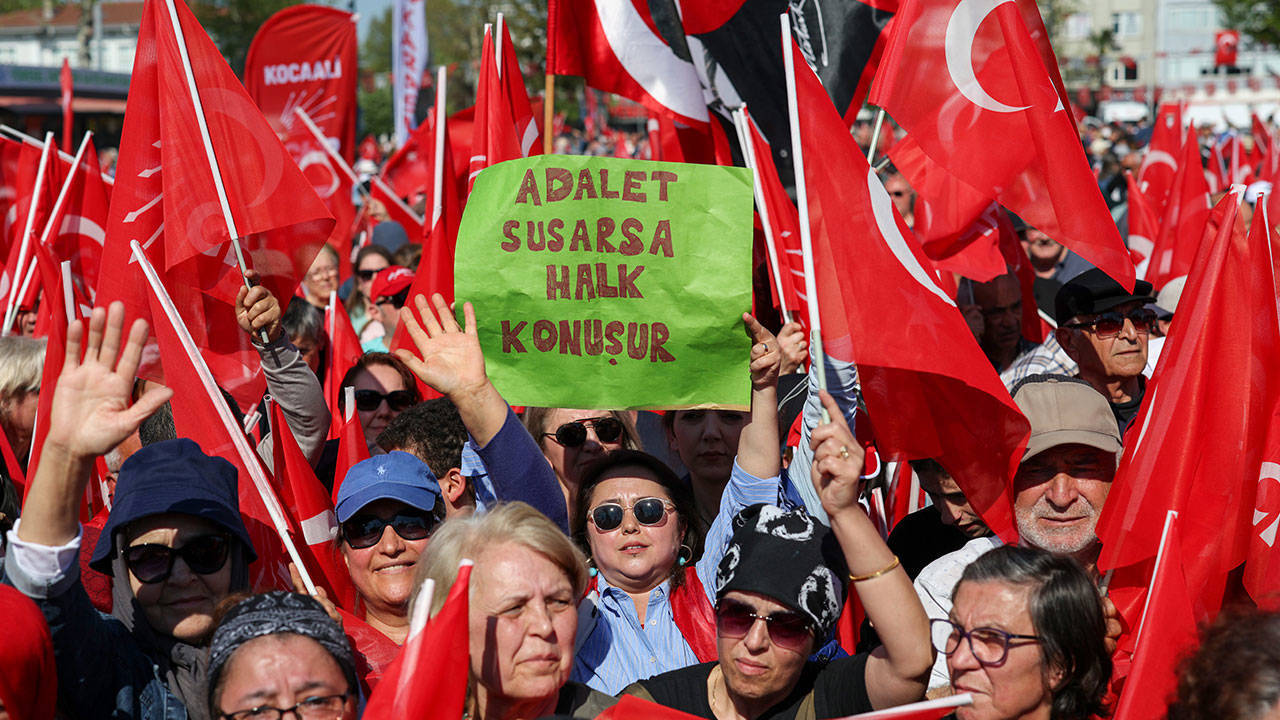
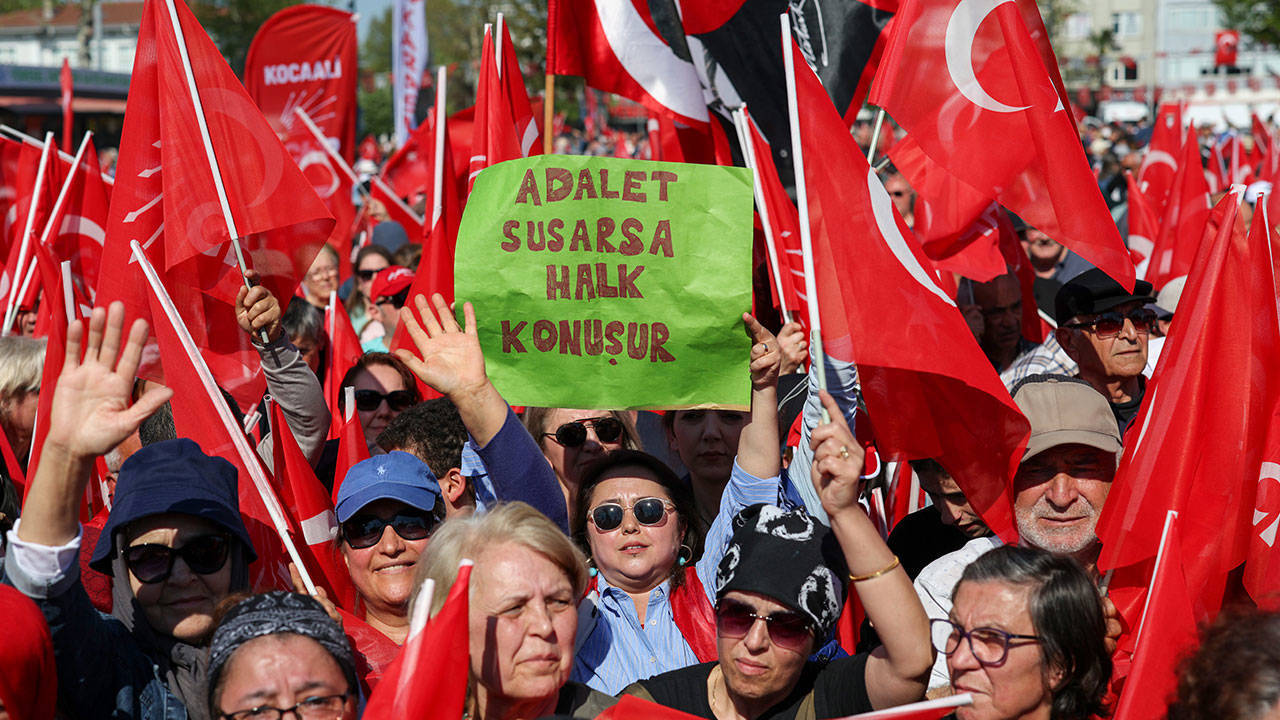
In the wake of the Palace regime's attacks, the question of what kind of political line the opposition in Turkey will establish and how it will respond to the demand for social change stands at the centre of the discussions. In particular, whilst all periods in which the opposition has been influential on the political stage—especially following 19 March—have emerged as a result of social dynamics that transcend party boundaries, the social energy that has built up across a broad spectrum—from the labour movement to the women’s movement, and from youth protests to demands for democracy—demonstrates that politics today cannot be understood solely through the lens of institutional actors.
In public opinion polls, while the economic crisis, the high cost of living, inequality in income distribution, and the issue of justice continue to rank among the public's most vital agendas, the solution to all these problems is seen by a vast majority of the population as the dismantling of the regime.
According to research, more than 60 per cent of society voices a demand for change; however, this demand does not take shape around a single political party. Precisely for this reason, the discussions regarding a "unified" or "integrated" front, which have been articulated more frequently of late, lay bare the need to establish a permanent ground for struggle that goes beyond temporary alliances formed solely during election periods. Particularly following the nullity debates, evaluations suggesting that what is actually needed is a broader social and political movement ground capable of carrying the demand for democratic change are gaining further strength.
THE ‘NONE OF THEM’ RESPONSE IS NO COINCIDENCE
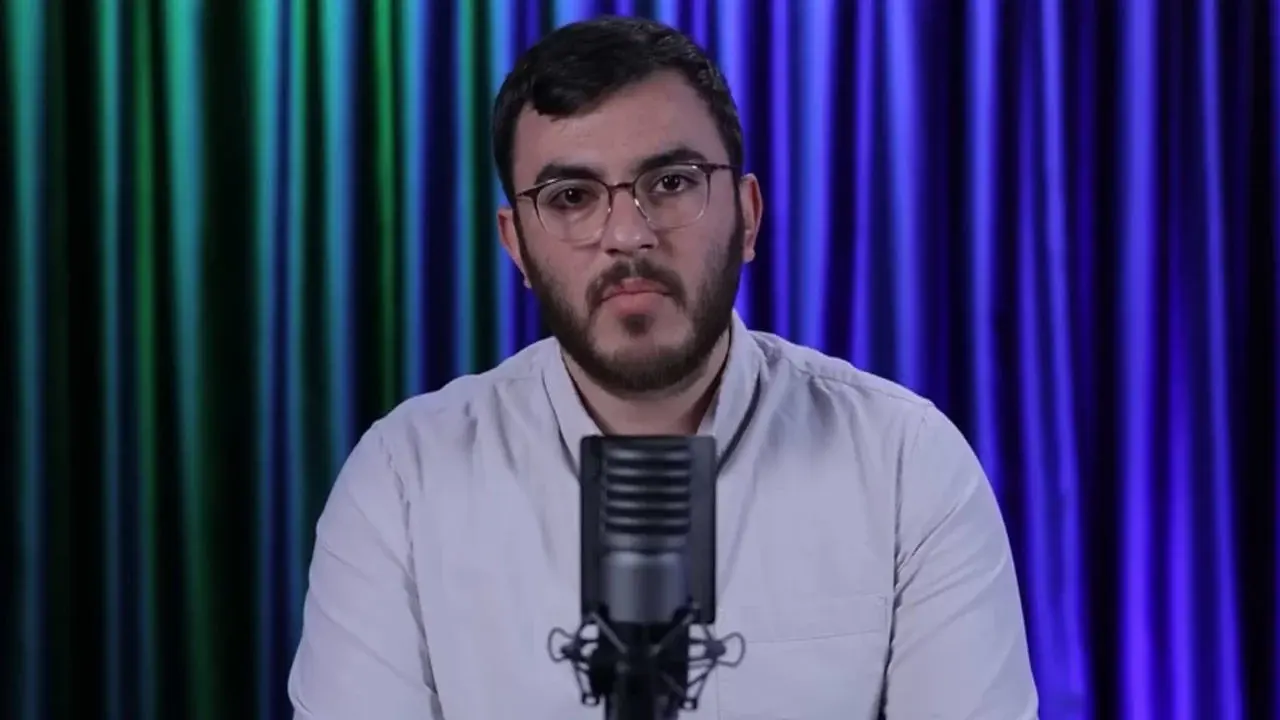
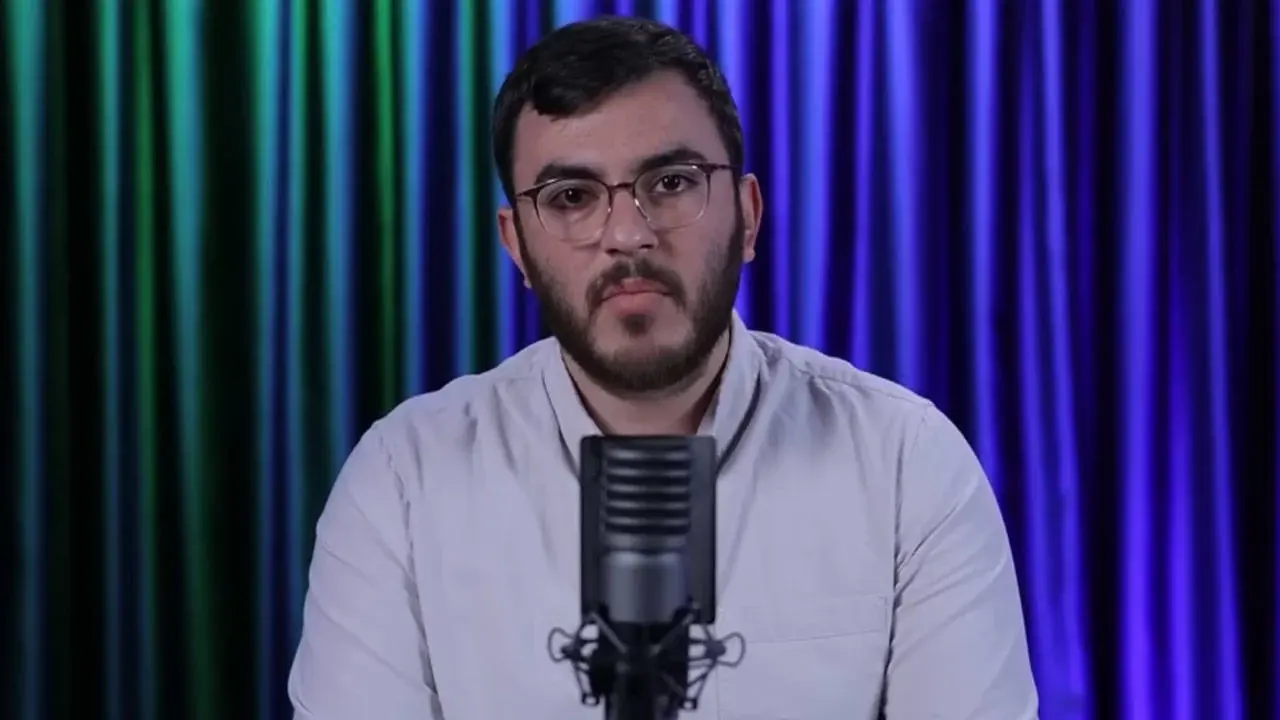
Political Communication Expert Suat Özçelebi and Sociologist Semih Turan, the founder of Bulgu Research, evaluated the current situation reflected in public opinion polls and the position of the opposition front, which is stated to be the real determinant of the political stage in the coming period. Özçelebi expressed that the problem in Turkey is not merely that the opposition is fragmented, but also that a common definition regarding the nature of the political system has not been established strongly enough. Stating that "Formulas such as a 'unified front', 'democracy alliance', or 'integrated opposition' can only create a social resonance when it becomes clear which fundamental problems they are established against," Özçelebi made the following assessments:
“Today, a significant portion of the electorate feels a serious institutional distrust towards the ruling power due to the high cost of living, injustice in income distribution, and the crisis of justice. They express this in research as well. Despite this, the number of undecided voters remains high, and when the address for a solution is articulated, the response 'none of them' never drops from the top spot. However, it is no coincidence that not a single opposition party, including the main opposition, is viewed as the address for a solution. Because the electorate wishes to see not only the removal of the ruling power, but also what will change afterwards, as well as the strength and the cadre capable of achieving this within the opposition. Therefore, the issue before the opposition can swiftly transform from the question of whether to establish a new party or produce a new form of politics into a rapid political togetherness that embraces the social opposition primarily to protect democracy. However, we are speaking of processes that must run in parallel here. The priority must lie in 'producing a new form of politics' and writing a new narrative with the right leader, in parallel with a line of resistance and struggle for democracy.
The social demand is not for a new political signboard, but for a new political narrative. No matter what occurs, people want to see themselves not merely as part of an alliance that will win an election, but as part of a partnership that has captured the 'zeitgeist' and will rebuild the future of the country.
SOCIAL OPPOSITION IS NOT A RHETORIC
The concept of 'front politics' must also be used carefully. If the front consists merely of parties coming side by side, it will create a limited impact. One must insistently emphasise 'social opposition'; this is not a rhetoric. Whosoever is to do whatsoever, it will only gain meaning if they can bring social segments, trade unions, professional organisations, young people all across Anatolia, women's movements, urban solidarity networks, and diverse political identities together under a common goal of democratisation.
Will the opposition form an electoral alliance against an increasingly authoritarian ruling power, or will it build a social and political transformation partnership to exit the problems created by the current regime? This question will gain even more meaning with the Constitutional debates that will be imposed in a short period. However, without the second option, it appears difficult for the first one to produce permanent success. Because today in Turkey, the debate is not merely a matter of which party receives how many votes. The debate is increasingly shaping itself around the functioning of the rule of law, the independence of institutions, the separation of powers, the fairness of elections, and the destruction of political competition. At present, the real issue, rather than new actors, is whether an idea for a new democratic future can be constructed and whether a democratic, stable ground remains where this can be debated."
Stating that the primary emotion among voters following the regime's latest nullity decision was anger, Turan expressed that this emotional state manifested as anxiety and astonishment, particularly among the undecided voters located within the People’s Alliance (Cumhur İttifakı) bloc. Stating that the reason for this is directly proportional to the will for change in society, Turan spoke as follows: “In the research we conducted, when faced with the question 'Which party will you vote for', there was an undecided voter base that fluctuated particularly within the 25–30 per cent band for quite a long time. Today, even if this number has decreased, it remains at a non-negligible level. However, when faced with the question 'Do you want an early election', 60 per cent respond 'right now'. In other words, although a vast majority of the public today cannot decide on an exact opposition party, they demand to be rid of this regime. Today, in the face of the ruling power's manoeuvres for a Turkey without an opposition, the emerging picture has demonstrated the necessity of uniting on the level of a lowest common denominator against the regime.
POTENTIAL ENERGY IS TURNING INTO KINETIC ENERGY
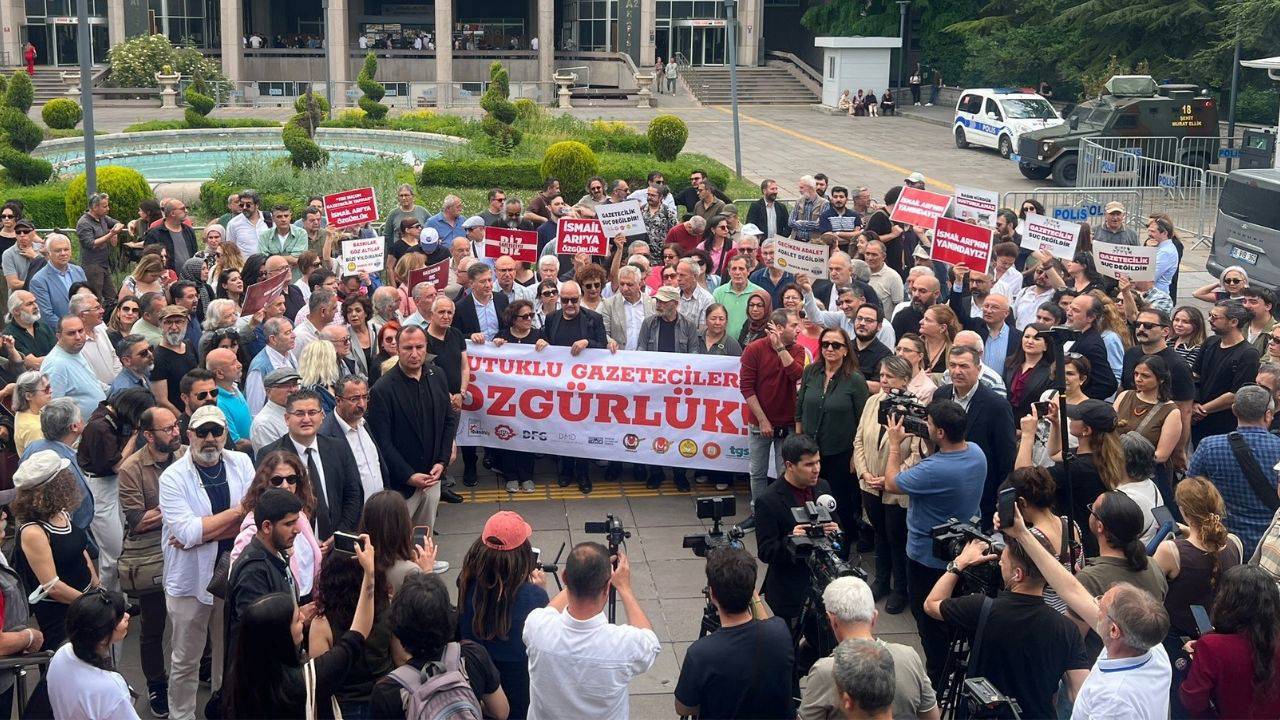
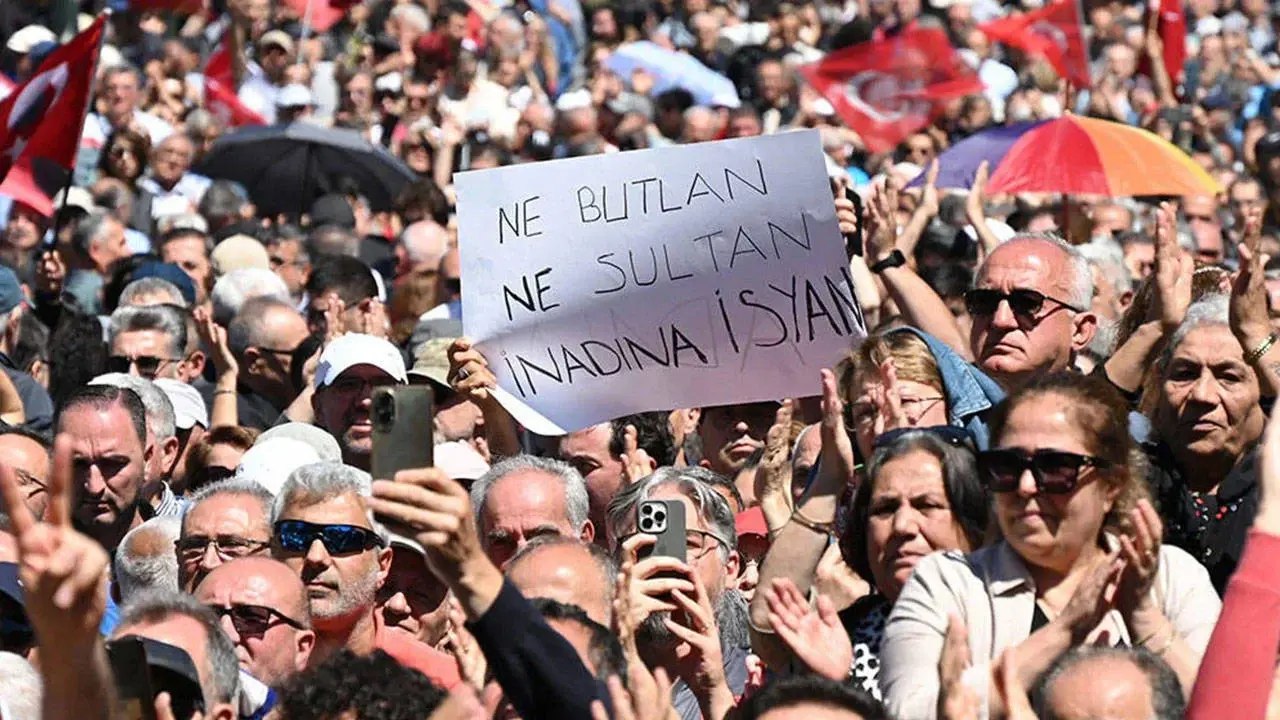
Of course, differences exist on many topics such as the Kurdish issue, education, healthcare policies, and foreign policy, but the country's need lies in weaving a new political line together against the creator of these problems, outside of these differences. That is to say, weaving a broad politics around topics where one can stand together against the ruling bloc, such as the rule of law, the social state, and secularism, emerges as today's most current responsibility. On the other hand, another indicator of this picture is that the CHP cannot defend this the moment it is left alone. There is a need to carry the picture we witnessed in Güvenpark, from the furthest right to the furthest left, into the political arena. The coming period cannot be built upon a ground that will fluctuate between the 'new CHP' and the 'genuine CHP'. In other words, the entirety of the opposition line must define a political model. For this, it is necessary to see that the objective conditions exist sufficiently. The tremendous potential energy of the masses has now begun to turn into kinetic energy. Consequently, the point we have reached is a stage where it is necessary to set out on the road to pave the way.”
Note: This article is translated from the original article titled Yeni bir siyaset arayışı, published in BirGün newspaper on June 8, 2026.