Politics Service
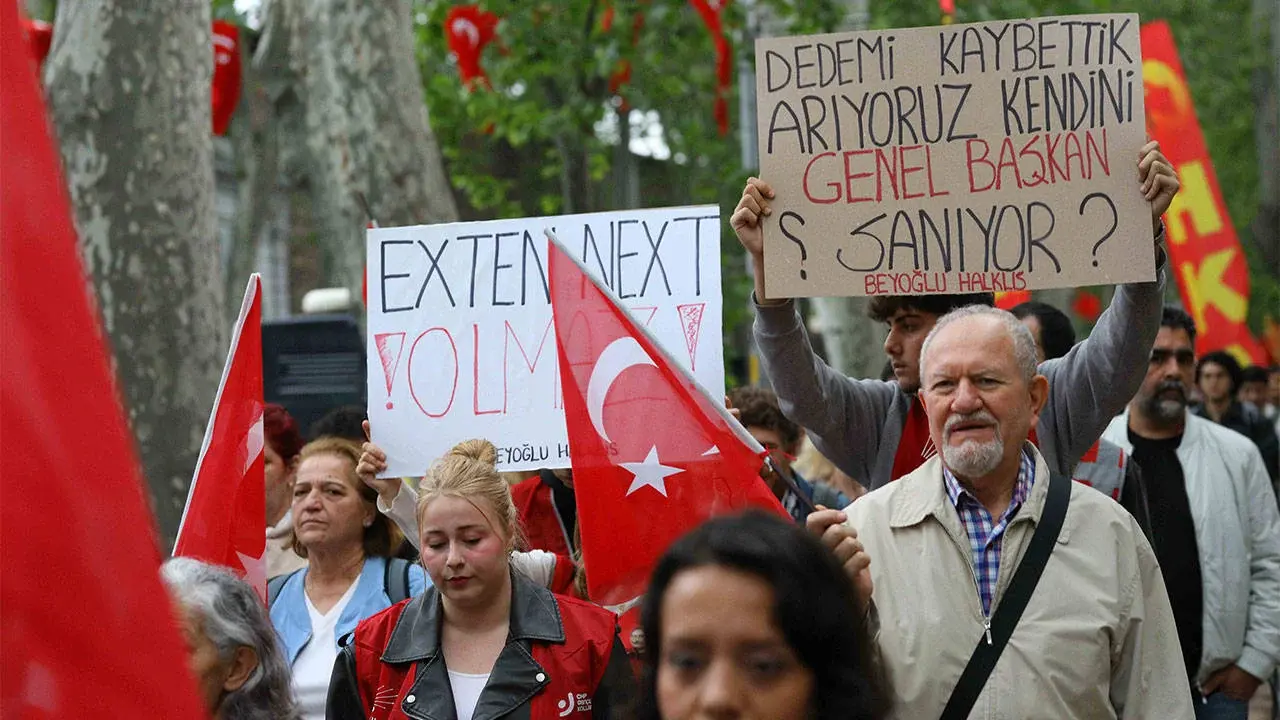
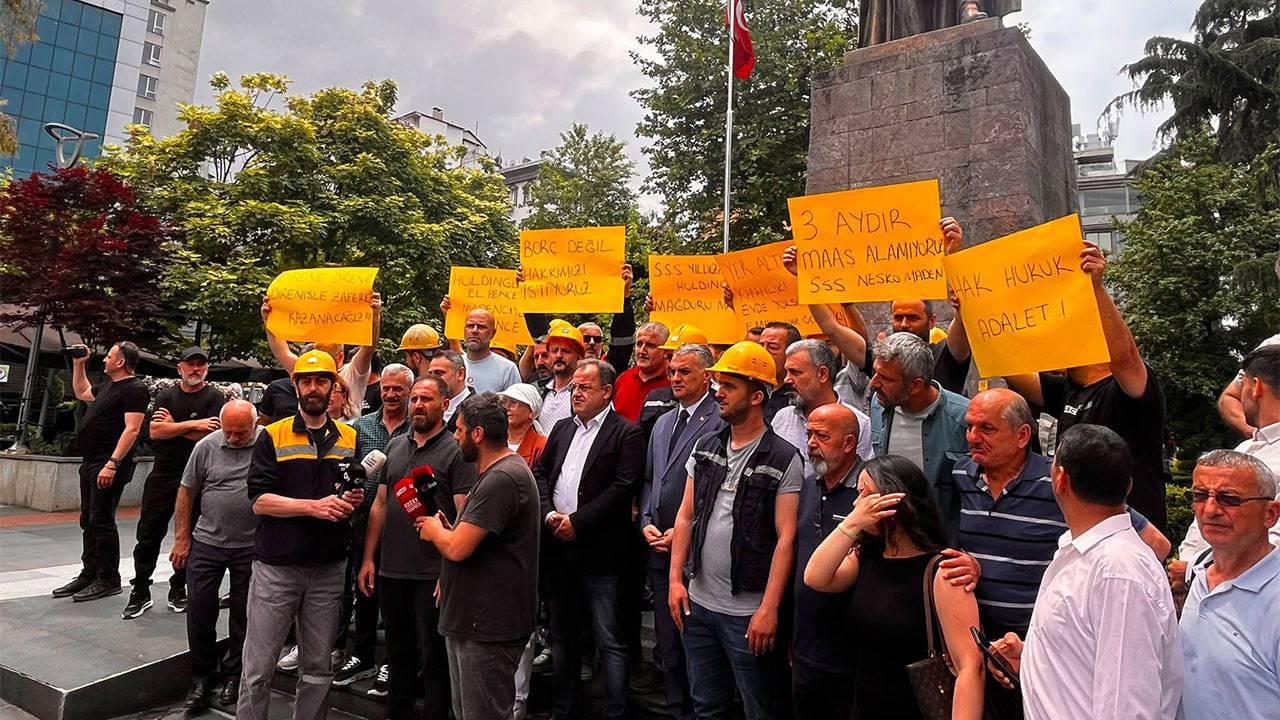
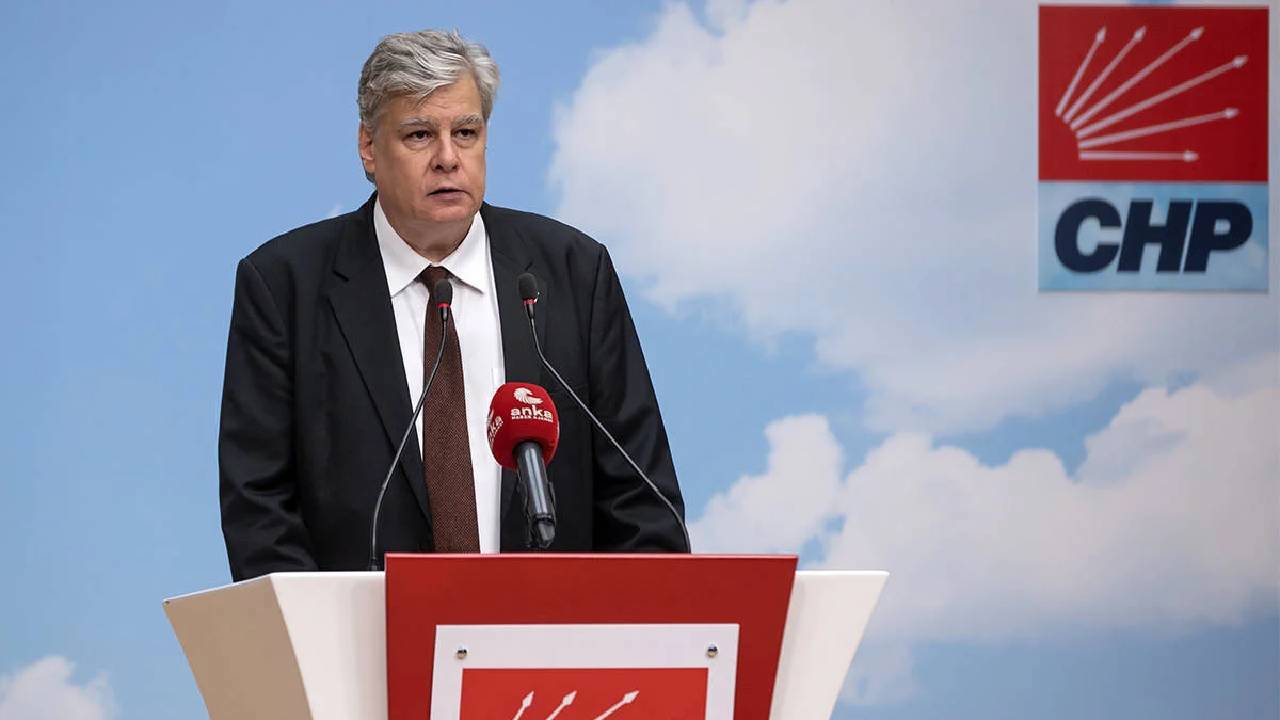
For a week, Turkey has been debating who would deliver the speech at the CHP parliamentary group meeting. Harsh statements were traded back and forth. The issue was on the agenda not only of CHP members but also of the Speaker of the Parliament Kurtulmuş and MHP leader Bahçeli. In the end, while Kemal Kılıçdaroğlu, who was reinstated to the leadership by a court decision, remained at the party headquarters, the elected leader Özgür Özel was once again at the parliamentary podium.
Details of yesterday’s developments were reported on both Birgün TV and birgun.net. Above, those historic hours were once again outlined in general terms. Undoubtedly, what matters regarding yesterday will be what it leaves for the future rather than the momentary occurrences. The last 24 hours have once again displayed the split photograph of not just the CHP, but of Turkish politics as a whole.
THE FLARE FROM BAHÇELI
The politician most interested in the goings-on within the CHP has undoubtedly been the MHP leader Bahçeli. Having dismissed 18 provincial chairs and dozens of district administrations within the last month, Devlet Bahçeli focused solely on the CHP without uttering a single word about the events within his own party. Starting from the absolute nullity decision, he commented on and guided the developments step by step.
While addressing the CHP leader Özgür Özel, Bahçeli lightly warned him by saying "one must awaken from the slumber of delusion and keep eyes wide open" and "our words must be heeded", whilst continuing to play the role of the "state mind".
One of the key emphases in Bahçeli’s speech was his warning to the CHP against bringing legal processes out onto the streets.
He stated that Özel should not present his race for position as "heroism for democracy". He had previously warned him against "attempting to lead the social opposition".
It was no surprise that the MHP leader spoke of regional crises, imperialist calculations, and the target of a "Terror-free Turkey". It was also expected that he would say "we must keep the internal front strong" in the face of major problems. However, the message in his swift transition to the CHP right after delivering a message of national unity should be read as "your place should now be by our side".
Devlet Bahçeli’s moves describing Kemal Kılıçdaroğlu as the "legitimate leader" and calling on him to defend the corporate identity constitute a highly critical manoeuvre in Turkish politics. In the context of the "fortifying the internal front" discourse (creating a common ground within the country to counter external threats) that the People's Alliance (Cumhur Cumhur İttifakı) has been building for some time, the probability of seeing "Kılıçdaroğlu’s CHP" within this front, or sympathetic to it, is not very low.
Kemal Kılıçdaroğlu built his political career upon opposition to Erdoğan and Bahçeli, and formulated criticisms of the "Palace regime". Therefore, how possible is it for Kılıçdaroğlu to run and place himself inside an "internal front" template drawn by the People's Alliance? However, Kılıçdaroğlu’s objection to the current CHP administration could push him into the position pointed out by Bahçeli: an "opposition that remains within legal and institutional boundaries".
At the end of the day, the probability of Kılıçdaroğlu’s CHP being included in the "internal front" by forming a direct coalition or alliance with the People's Alliance seems weak for now. However, the government’s strategy is to return the main opposition to a "safe playing field whose boundaries are drawn by the state" (namely, the internal front defined by themselves) by reinforcing Kılıçdaroğlu’s legitimacy and intra-party power. Once the government achieves this, whether Kılıçdaroğlu is willing or not will no longer matter much.
PARALLEL DISCOURSE FROM KILIÇDAROĞLU
One of the most striking statements made by Kılıçdaroğlu during this crisis process was a direct emphasis on national security and sovereignty: "Efforts to create internal turmoil only prepare the ground for those eager for external intervention."
This sentence almost exactly overlaps with the narrative of "fortifying the internal front" and not allowing chaos internally against regional risks, which Bahçeli and the People's Alliance frequently underline. Kılıçdaroğlu positions the intra-party leadership struggle not merely as a matter of bylaws or delegates, but as a macro threat that could render Turkey’s national security vulnerable to foreign interventions. In this respect, he utilizes a state-centric language with high sensitivity towards "survival".
Kılıçdaroğlu’s proclamation during this period that "Turkey has something to say from the Middle East to Asia" is an effort to embrace the traditional state mind and Turkey’s historical hinterland. It is simultaneously a support for the government's proactive/national foreign policy thesis. This situation is not an ordinary change in rhetoric; it is a strategic political shield utilized entirely in the struggle to take the steering wheel of the party once again. Kılıçdaroğlu has transformed the emphasis on "external threat" into an instrument to fend off criticisms of a "Palace operation" aimed at the process that reseated him in that chair by court order.
IN THEIR EYES, THE PEOPLE DO NOT ACTUALLY EXIST
The most common point in the politics promised by Erdoğan, Bahçeli, and Kılıçdaroğlu is that they do not need the people. What the citizen thinks, what they want, or what they do not want does not matter much. For them, the people are coded as masses that can be manipulated and thus easily managed. They are in an effort to create artificial unities around concepts such as external threats, division, and the state.
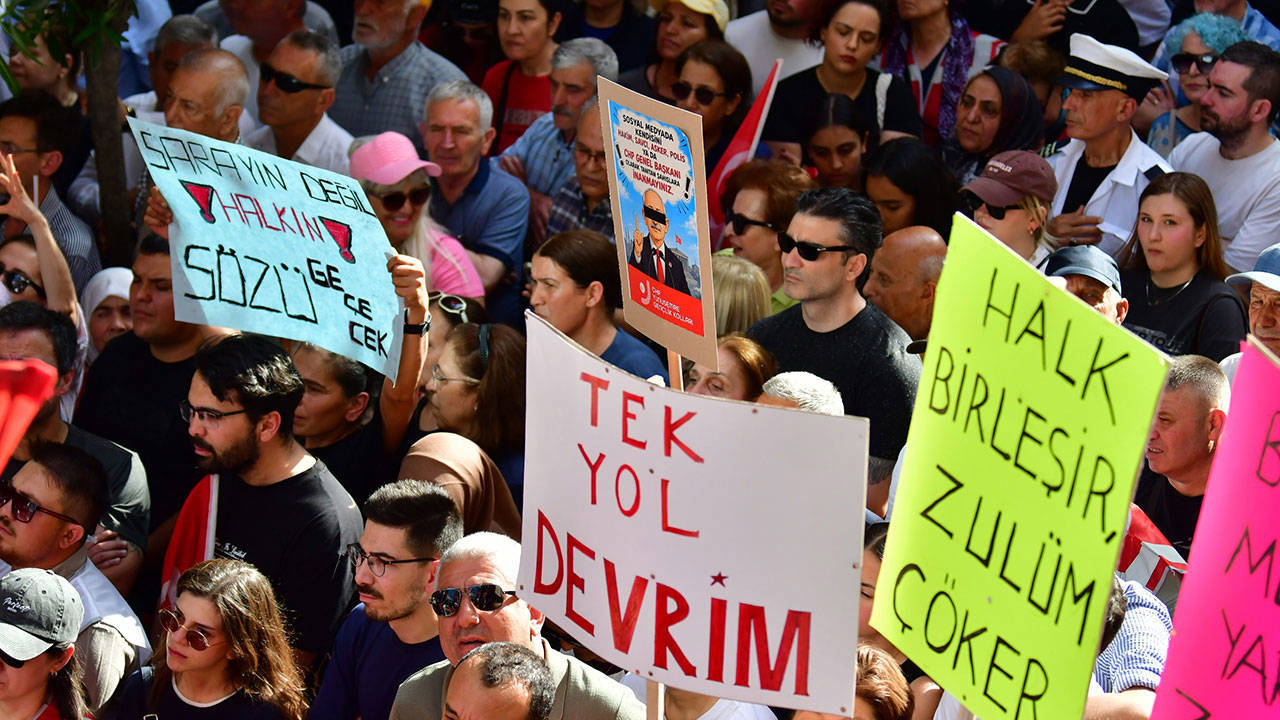
However, as the famous saying goes, “the ship has sailed”. The people have no intention of stopping or settling for what is available. They want to change their lives. While doing so, they are aware that many things, including the administration, must change.
That is why what happened within the CHP yesterday is actually the struggle between the two styles of politics described above. On one side, there are those saying "stop, we know what is best for you", and on the other side, those saying "let us march to change it". The line is becoming clear. This rupture will advance towards every party, every organisation, and all social structures. It is highly probable that the main body will win. What matters is that it does not disperse, but unites further.
Note: This article is translated from the original article titled Salı’dan sonra... Dış tehdit, iç cephe, devlet aklı: Hep beraber halaya!, published in BirGün newspaper on June 9, 2026.